17 November 2026
What Is Pressure Cleaning? A Guide for Melbourne Homes
Presented by @zionhojt416
Pressure cleaning, also called high-pressure water cleaning or pressure washing, is a method of removing dirt, grime, mould, algae, moss, grease and loose paint from hard surfaces using a concentrated jet of water. In Melbourne, where changeable weather, regular rainfall and shaded, damp conditions encourage organic growth, it has become one of the most common ways to maintain the exterior of a home. This guide explains how pressure cleaning works, which surfaces suit it, what to watch out for, and how to decide between doing it yourself and hiring a professional.
How Pressure Cleaning Works
A pressure cleaner uses an electric or petrol-powered pump to force water through a narrow nozzle at high speed. The force of the water lifts and flushes away contaminants that bond to surfaces over time. Pressure is typically measured in PSI (pounds per square inch) or in bar and kPa, which are more commonly used in Australia. Flow rate, measured in litres per minute, is just as important, because it determines how effectively debris is carried away.
Many professional operators also use hot water, detergents or specialised treatments to break down oils, mould and bacteria. Cleaning is usually most effective when the right combination of pressure, water volume, nozzle choice and cleaning solution is matched to the surface and the type of staining.
Pressure Cleaning vs Soft Washing
Not every surface can handle high pressure. Soft washing is a low-pressure technique that relies on cleaning solutions, often containing a mild sodium hypochlorite mix and a surfactant, to kill mould, algae and lichen at the root. The solution is rinsed off with low-pressure water. Soft washing is commonly used on:
- Painted weatherboard and rendered walls
- Roof tiles and Colorbond roofing
- Timber cladding and delicate fences
- Windows, flyscreens and surfaces with fragile seals
Many Melbourne cleaning professionals combine both methods, using high pressure on tough surfaces like concrete and soft washing on more delicate ones.
Common Surfaces Cleaned in Melbourne Homes
Concrete Driveways and Paths
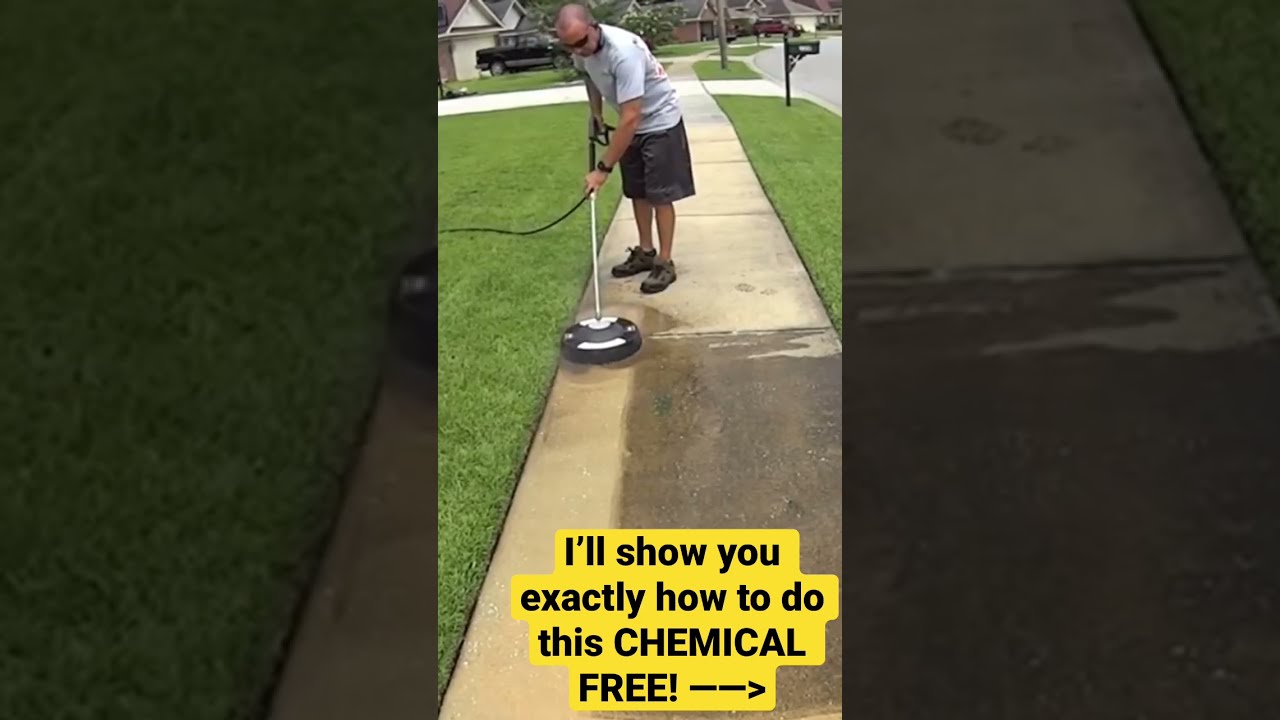
Concrete is porous and readily absorbs oil, tyre marks, leaf tannins and moss. Pressure cleaning is highly effective here and can noticeably brighten a driveway. Surface cleaners, which are rotating discs that sit close to the concrete, help achieve an even finish without the streaking caused by a bare wand.
Pavers and Patios
Clay and concrete pavers often develop algae and weeds between joints, especially in shaded courtyards. Cleaning removes surface growth, though care is needed because excessive pressure can erode joint sand or etch the paver surface. After cleaning, re-sanding the joints and applying a suitable sealer helps protect the area and slow regrowth.
Brick, Render and Cladding
Brick walls usually handle moderate pressure, but older mortar can be damaged. Rendered and painted surfaces are better suited to low-pressure or soft washing methods to prevent water penetration and paint damage.
Decks and Timber Fences
Timber needs a gentler approach. Too much pressure can raise the grain, leave fuzzy marks or gouge the surface. A wide-angle nozzle, low pressure and cleaning with the grain are essential. Timber often needs to dry fully before it is oiled, stained or sealed.

Roofs and Gutters
Melbourne roofs commonly gather moss, lichen and black mould, particularly on south-facing slopes and under trees. Roof cleaning should be approached cautiously because high pressure can dislodge tile glazing, crack older terracotta tiles or force water beneath the tiles. Working at height also carries serious safety risks, so this task is best left to trained, insured professionals.
Benefits of Pressure Cleaning
- Improved appearance: Removes years of built-up dirt and staining, refreshing the look of your home.
- Slip reduction: Algae and moss on paths, steps and decks create slippery surfaces. Removing them lowers the risk of falls.
- Surface protection: Mould and lichen can slowly degrade paint, roofing and masonry if left untreated.
- Preparation for painting or sealing: Clean surfaces allow paint, stain and sealant to adhere properly.
- Property presentation: A clean exterior is valuable when preparing to sell or lease a property.
- Health considerations: Removing mould and mildew can reduce allergens around entry points and outdoor living areas.
Why Melbourne Conditions Matter
Melbourne’s climate is a major factor in how often exteriors need cleaning. Cool, damp winters promote moss and algae, while autumn leaf drop leaves tannin stains on concrete and pavers. Properties near major roads can accumulate traffic grime, and homes in leafy suburbs or close to the bay may experience additional organic growth or salt deposits. Southern and shaded sides of https://melbournepressurecleaningpros.com.au/contact/ buildings, which receive little direct sun, tend to need attention more often than sunny aspects.
As a general guide, many homeowners schedule pressure cleaning once a year for driveways, paths and high-traffic areas, with roofs, walls and fences cleaned every two to three years depending on exposure and condition.
Water Restrictions and Environmental Considerations
Water use is an important consideration in Victoria. Melbourne’s water authorities, including Greater Western Water, South East Water and Yarra Valley Water, may introduce restrictions or encourage efficient water use during dry periods. Check your water retailer’s current rules before cleaning, as requirements can change.
Wastewater is also a concern. Runoff from cleaning can carry detergents, oils, paint chips and sediment into stormwater drains, which flow untreated into creeks, the Yarra River and Port Phillip Bay. Responsible practices include:
- Using biodegradable, low-impact cleaning products
- Blocking or covering stormwater drains and capturing runoff where possible
- Directing water onto lawn or garden beds only when it contains no harmful chemicals
- Disposing of collected sludge and wastewater appropriately
Professional operators often use wastewater recovery systems, particularly for commercial work or when cleaning surfaces with oil or chemical contamination. Under Victorian EPA guidelines, allowing pollutants to enter stormwater can lead to penalties, so it is worth asking any contractor how they manage runoff.
DIY Pressure Cleaning or Hire a Professional?
Home pressure cleaners are widely available from hardware stores and are suitable for light jobs such as washing a small patio, outdoor furniture or a short section of path. However, there are limits to what the average domestic machine can achieve and risks if used incorrectly.
Risks of DIY Cleaning
- Etching or scarring concrete, timber and soft brick
- Stripping paint or damaging render
- Forcing water behind cladding, into window frames or under roof tiles
- Personal injury from high-pressure jets, which can cause serious lacerations
- Electrical hazards when working near power points or fittings
- Falls from ladders or roofs
Benefits of Hiring a Professional
Professionals bring commercial-grade equipment, knowledge of different surfaces, appropriate chemicals and safety training. They can also provide public liability insurance, which protects you if damage occurs. When choosing a provider in Melbourne, look for a business with clear pricing, positive local reviews, relevant insurance, and the ability to explain which method they will use on each surface and why.
Tips for Getting the Best Results
- Inspect the area first. Look for cracks, loose mortar, flaking paint and damaged seals that high pressure could worsen.
- Clear the space. Move vehicles, furniture, pot plants and loose items, and close windows and doors.
- Protect plants and fixtures. Wet nearby plants beforehand and cover outdoor power points, lights and delicate fittings.
- Test a small area. Begin with low pressure in a hidden spot and increase gradually.
- Choose the correct nozzle. Wider fan angles, such as 25 or 40 degrees, are safer for most household surfaces than narrow, intense jets.
- Keep a consistent distance. Move the wand in smooth, overlapping strokes to avoid streaks and marks.
- Seal where appropriate. Sealing pavers, concrete or timber after cleaning can make future maintenance easier and protect against staining.
How Much Does Pressure Cleaning Cost in Melbourne?
Pricing varies depending on the size of the area, surface type, level of staining, access and whether additional treatments or sealing are required. Many providers charge per square metre for driveways and paved areas, while roof cleaning and whole-house washing are often quoted as a package. Obtaining at least two or three written quotes helps you compare services and ensures the scope of work is clearly defined. Be cautious of prices that seem unusually low, as they may reflect inadequate equipment, limited insurance or shortcuts in environmental practices.
Frequently Asked Questions
Will pressure cleaning damage my surfaces?
It can if the pressure is too high or the technique is poor. Using the correct pressure, nozzle and distance for each surface, or choosing soft washing where appropriate, greatly reduces the risk.
How long does the cleaning last?
Results depend on shade, moisture, tree cover and whether a sealer or mould inhibitor has been applied. In damp, shaded parts of Melbourne, organic growth can return within months, while sunnier areas may stay clean much longer.
Is pressure cleaning safe for pets and gardens?
Plain water cleaning is generally safe. When detergents or mould treatments are used, keep pets and children away until surfaces are rinsed and dry, and ask your contractor about the products being used and any precautions for garden beds.
What is the best time of year to clean?
Late spring through early autumn often provides the best drying conditions, which is helpful if you plan to seal, paint or stain afterwards. However, cleaning can be carried out year-round if weather allows.
Final Thoughts
Pressure cleaning is a practical, effective way to maintain the exterior of a Melbourne home, protect surfaces from long-term deterioration and improve safety and presentation. Understanding which method suits each surface, taking care with water and runoff, and knowing when to call a professional will help you achieve a clean result without costly damage. Whether you tackle small jobs yourself or engage a qualified local provider for larger tasks like roofs, driveways and whole-house washing, regular maintenance tailored to Melbourne’s climate is the key to keeping your property looking its best into 2027 and beyond.
Melbourne Pressure Cleaning Pros
(03) 8007 3103